

The Perfect Storm: Deconstructing the COE Surge
The recent surge in COE prices is not a random event; it is the result of several powerful forces converging simultaneously. Understanding these factors is crucial to appreciating why the current situation is more of a fundamental market reset than a temporary spike. It is a perfect storm brewed from post-pandemic behavioural shifts, predictable supply cycles, and overarching economic pressures.
The Post-Pandemic Demand Explosion
The COVID-19 pandemic reshaped many aspects of our daily lives, including how we view transportation. After months of safe distancing and health concerns, many Singaporeans developed a strong preference for personal mobility. The desire for a private, enclosed space, shielded from the uncertainties of crowded public transport, became a significant psychological driver. As Singapore transitioned into an endemic phase and the economy recovered, this pent-up demand was unleashed onto the car market. Families who had previously been content with public transport and ride-hailing services began actively seeking the security and convenience of their own vehicle. This surge in buying interest, from both first-time owners and those looking to upgrade, created a demand-side pressure that the COE system was not equipped to absorb without significant price hikes.
The Inevitable Supply Crunch
The other, more critical, side of the equation is supply. The COE quota is not an arbitrary number set by the government; it is primarily based on the number of vehicles that are deregistered. Cars in Singapore have a 10-year lifespan before their COE expires. Owners must then choose to either scrap the car or renew its COE. This creates a cyclical effect. A large number of new car registrations in a given year will result in a large number of deregistrations ten years later, leading to a larger COE quota. Conversely, a year with low registrations will lead to a smaller quota a decade later. We are currently entering a period of a severe supply crunch. The years 2014-2017 saw a dip in new car registrations. Consequently, ten years on, from 2024 to 2027, the number of cars being taken off the roads is naturally lower. This directly translates to a smaller pool of COEs available for bidding each quarter, creating intense competition for a scarce resource.
Economic Headwinds and a Widening Divide
Layered on top of this supply and demand dynamic are broader economic factors. General inflation has increased the cost of living, yet for a segment of the population, wealth has grown significantly. The presence of high-net-worth individuals and households less sensitive to price fluctuations means there is a contingent of buyers willing and able to meet the rising costs. Their participation in the bidding process pulls the entire market upward, setting new benchmarks for COE premiums. This effectively prices out a significant portion of the middle-class, who find that their budget, which might have been sufficient a few years ago, is no longer competitive. The COE market is becoming a clearer reflection of the economic divide, where the ability to own a car is increasingly dictated by financial capacity rather than just need.

The 2026 Horizon: What Happens When the Quota Shrinks Further?
While the current situation is challenging, all signs point towards 2026 being a pivotal year where these pressures will likely intensify. The factors at play are not expected to ease; in fact, the supply-side constraints are predicted to become even more acute. This is not mere speculation but a forecast based on the predictable, cyclical nature of the COE system and the government’s long-term transport policy objectives.
Projecting the Deregistration Cliff
The COE supply is a direct echo of the past. To understand the quota for 2026, we must look at the car registration numbers from 2016. That period was characterized by relatively high COE prices and fewer new cars being put on the road compared to the “bumper crop” years before it. This means the number of 10-year-old cars due for deregistration in 2026 will be significantly lower than what we have seen in the recent past. This predictable “deregistration cliff” is the primary reason experts anticipate a further tightening of the COE quota. A smaller supply, met with sustained or even growing demand, will inevitably place continued upward pressure on prices, solidifying the new high baseline we are currently witnessing.
The EV Transition’s Double-Edged Sword
The government’s push towards a greener vehicle population, particularly the adoption of Electric Vehicles (EVs), adds another layer of complexity. The Singapore Green Plan 2030 aims to phase out Internal Combustion Engine (ICE) vehicles by 2040. To encourage this transition, various incentives have been introduced, such as the EV Early Adoption Incentive (EEAI). While environmentally positive, this policy also fuels demand for new cars. As more drivers are encouraged to switch to EVs, they must enter the COE market to secure a right to own their new vehicle. This adds more bidders to an already shrinking pool of certificates. Furthermore, the power output of many modern EVs places them squarely in the more expensive Category B, further intensifying competition in a segment already dominated by luxury brands. The green transition, necessary as it is, inadvertently contributes to the COE crunch in the medium term.
Government Policy as the Ultimate Lever
It is essential to view COE prices through the lens of national policy. The Singapore government has a long-standing and unwavering vision of a “car-lite” society. The goal is to manage traffic congestion on our small island, reduce carbon emissions, and create a more efficient and liveable urban environment. From this perspective, high COE prices are not a problem to be solved but a feature of the system working as intended. They act as a powerful demand-management tool, discouraging private car ownership and nudging the population towards the world-class public transport network. While short-term measures, such as reallocating quotas, can smooth out extreme volatility, the fundamental policy of constraining vehicle population growth remains unchanged. Therefore, Singaporeans should not expect a major intervention designed to bring prices back down to historical lows.
Redefining Mobility: The Future of Getting Around in Singapore
The confluence of these factors is forcing a fundamental re-evaluation of what mobility means. The traditional model, centred around the personal ownership of a car, is becoming less tenable for the average household. In its place, a more diverse and flexible ecosystem of transportation options is emerging, driven by technology and a pragmatic acceptance of the new reality.
The Rise of the “Access-over-Ownership” Model
For many, the solution will be to shift from an ownership mindset to an “access” mindset. Car-sharing and leasing services are poised to become mainstream choices rather than niche alternatives. Platforms like GetGo, BlueSG, and other rental companies offer the utility of a car without the immense financial burden of a COE, down payment, insurance, and maintenance. Long-term leasing provides a middle ground, offering the experience of having a dedicated car for a period of one to five years at a fixed monthly cost. This model appeals to those who need regular access to a vehicle but are unwilling or unable to commit to the capital outlay required for ownership. It transforms the car from a significant asset purchase into a predictable operating expense, much like a phone or housing subscription.
A Supercharged Public Transport Network
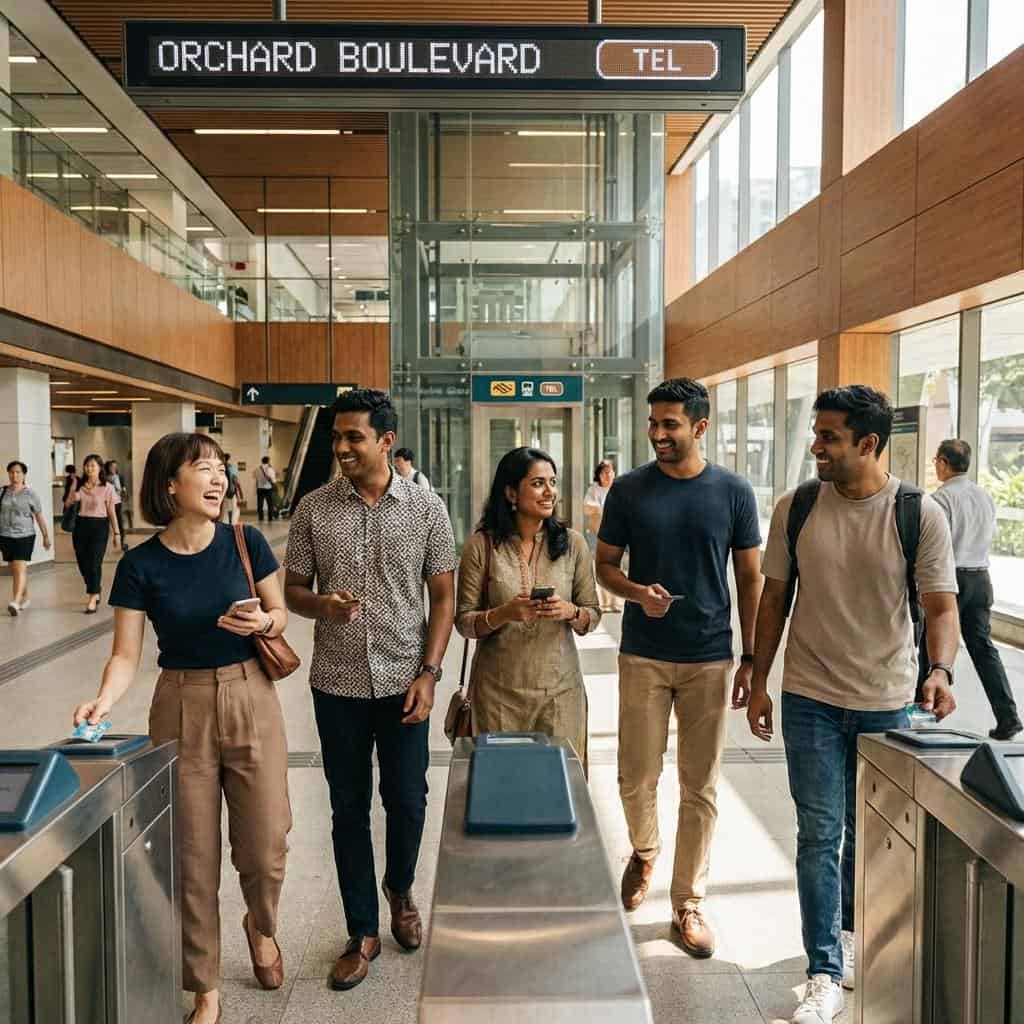
The government’s strategy is not simply to price people out of cars; it is to provide a compelling and superior alternative. The continued expansion and enhancement of the public transport system is the backbone of Singapore’s car-lite vision. The ongoing rollout of the Thomson-East Coast Line (TEL) and the upcoming Cross Island Line (CRL) are game-changers, dramatically improving connectivity and reducing travel times for millions of residents. These massive infrastructure investments are designed to make the Mass Rapid Transit (MRT) system the most logical, efficient, and cost-effective choice for the majority of daily commutes. When combined with a responsive bus network and first-and-last-mile solutions like cycling paths, the public transport network presents a powerful argument against the financial and logistical hassles of car ownership.
A Return to Pragmatism: Used Cars and COE Renewal
For those who still require a private vehicle, the calculus of buying is changing. In an era of persistently high COE prices, renewing the COE for an existing car is becoming an increasingly attractive financial decision. While it means driving an older vehicle, the cost of a 5 or 10-year COE renewal can be substantially lower than buying a new car. Similarly, the used car market is becoming more nuanced. A well-maintained 7 or 8-year-old car with a few years of COE left might offer a more sensible entry point into car ownership than a brand-new vehicle. This represents a return to pragmatism, where the focus shifts from the prestige of a new car to the pure utility and affordability of the transport it provides.
Navigating the New Reality: Actionable Strategies for Singaporeans
Accepting this new landscape is the first step. The next is to develop practical strategies to navigate it. The dream of car ownership is not over, but it requires more careful financial planning, a clear-eyed assessment of needs versus wants, and an open mind to a new world of mobility solutions.
The Financial Reality Check: Can You Truly Afford a Car?
Before even looking at car models, a thorough financial reality check is essential. The total cost of car ownership in Singapore goes far beyond the purchase price and COE. A realistic budget must include numerous recurring expenses:
- Loan Repayment: Monthly instalments on your car loan, which are subject to financing restrictions.
- Insurance: Annual premiums which can be substantial, especially for new drivers or high-performance vehicles.
- Road Tax: A yearly tax based on your vehicle’s engine capacity or power output.
- Fuel Costs: A significant and volatile monthly expense.
- Maintenance and Servicing: Regular servicing, tyre changes, and unexpected repairs.
- Parking: Season parking at home and work, plus miscellaneous fees.
Summing up these costs provides a much more accurate picture of the financial commitment. It allows you to compare this total monthly outflow directly against the cost of using a combination of public transport, taxis, and car-sharing services. For many, this calculation will be a sobering but necessary exercise.
Exploring Your Alternatives Intelligently
The future of mobility in Singapore lies in flexibility. Rather than being locked into a single mode of transport, consider a “blended” approach tailored to your lifestyle. This could mean using the MRT for your daily commute to the office, which is often faster and less stressful than driving in peak hour traffic. For weekend family outings or grocery shopping, a car-sharing service provides the convenience of a private vehicle without the daily costs. For those late-night trips or urgent appointments, ride-hailing services like Grab or Gojek remain an effective option. By intelligently combining these services, you can achieve a high degree of mobility and convenience, often at a fraction of the cost of owning a car.
If You Must Buy: Smart Timing and Considerations
If, after careful consideration, car ownership is still a necessity, a strategic approach is vital. Understand the differences between Category A (typically smaller, less powerful cars) and Category B (larger, more powerful cars). While Cat A is often cheaper, it is also more volatile due to higher demand from the mass market. Cat B, while more expensive, can sometimes be more stable. There is no magic formula for timing the market; trying to predict COE fluctuations is a difficult game. A more prudent strategy is to set a firm budget and be patient. Decide on the maximum you are willing to pay for a COE and be prepared to wait for a bidding cycle that meets your price, rather than stretching your finances to meet the market’s peak.
Conclusion: A New Era of Mobility
The soaring COE prices of today are not a passing storm but the defining feature of a new era in Singapore’s transport landscape. By 2026, the combination of a structurally smaller COE supply and unwavering policy direction will have cemented car ownership as a luxury, a specialised tool for those with specific needs, or a significant financial commitment reserved for the very well-off. The Singaporean dream is not disappearing; it is evolving. The new aspiration is not necessarily to own a car, but to have seamless, efficient, and affordable mobility. This shift requires us to be more pragmatic, financially savvy, and adaptable. By embracing the world-class public transport system and leveraging the growing ecosystem of on-demand vehicle services, we can navigate this new reality and continue to move forward, together, in our vibrant city. For anyone considering buying a car, the message is clear: do the math, understand the long-term trends, and make a decision based on the realities of tomorrow, not the memories of yesterday.
This article is intended for general informational purposes only and does not constitute financial or legal advice. Always consult with a qualified professional before making significant financial decisions.

Jeremy Lee is a seasoned digital marketing director and strategist with over two decades of experience in the industry. As the founder of Sotavento Medios, I manage a diverse portfolio of over 50 businesses, helping brands grow through advanced search strategies and digital innovation. My work focuses on bridging the gap between traditional search engine optimisation and the evolving world of AI-driven answer engines.